

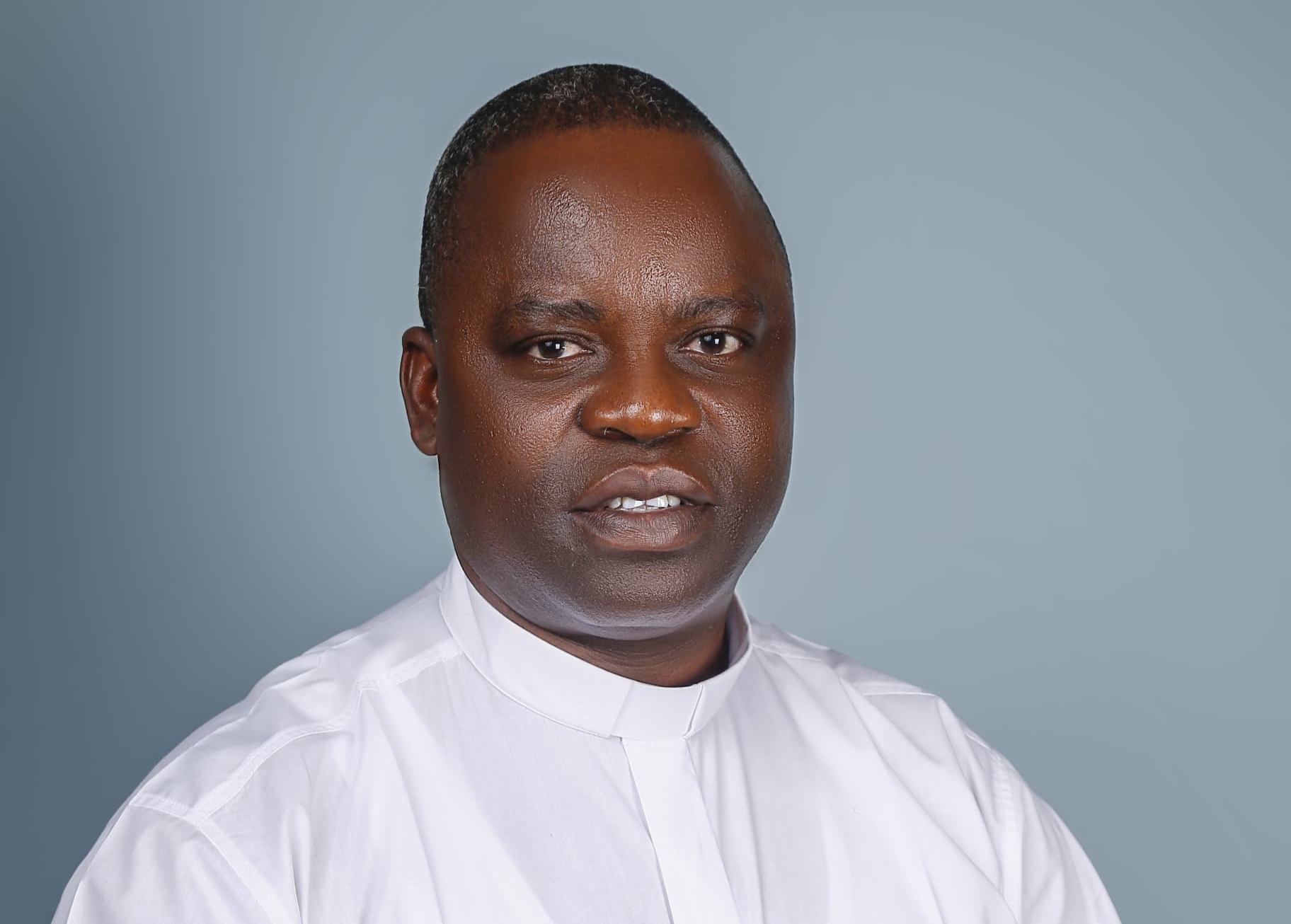
By Fr. Maurice Kwairanga
Nigeria stands at a pivotal moment in its national journey. With one of the world’s largest youth populations—over 60% of citizens under the age of 30—the country’s future will be shaped not by abstract policies alone, but by the energy, creativity, and civic responsibility of its young people. As the 2027 general elections approach, the question is no longer whether Nigerian youths can influence governance, but how effectively they will choose to do so.
The coming years present an opportunity to redefine Nigeria’s political culture, strengthen democratic institutions, and build a nation that reflects the aspirations of its young majority. To understand the potential impact of youth participation, it helps to look at history—both within Nigeria and around the world—where young people have been catalysts for national renewal.
Youth as Drivers of National Transformation: Lessons from History
1. The Role of Young People in Nigeria’s Independence Movement
Nigeria’s path to independence was shaped by young nationalists who refused to accept the status quo. Figures such as Nnamdi Azikiwe, Obafemi Awolowo, and Ahmadu Bello were in their 20s and 30s when they began mobilizing for self-governance. Their activism, journalism, and political organizing laid the foundation for the Nigeria we know today.
Their example shows that youth leadership is not new—it is part of Nigeria’s DNA.
2. The U.S. Civil Rights Movement
In the United States, young activists were central to the civil rights struggle. The Student Nonviolent Coordinating Committee (SNCC), led largely by people in their early 20s, organized sit-ins, marches, and voter registration drives that reshaped American democracy. Their persistence demonstrated how youth-led civic action can dismantle entrenched systems of inequality.
3. The Arab Spring
Across Tunisia, Egypt, and other parts of the Middle East, young people used digital tools to mobilize millions. While the outcomes varied, the movement proved that youth voices—when organized—can challenge long-standing political structures and demand accountability.
4. Rwanda’s Post-Genocide Rebuilding
Rwanda’s remarkable recovery after 1994 was driven in part by young citizens who embraced national unity, community service, and innovation. Today, Rwanda’s youth are central to its technology-driven development model, showing how young populations can rebuild and reimagine nations.
These examples illustrate a consistent truth: youth are not just the leaders of tomorrow—they are the architects of today’s change.
Nigeria’s Future: A Vision Built on Youth Engagement
Nigeria’s future depends on addressing long-standing challenges—economic inequality, insecurity, corruption, and weak institutions. But it also depends on unlocking the potential of its young people. The 2027 elections offer a chance to deepen democratic participation and set the country on a more inclusive path.
Here are key ways Nigerian youths can contribute to good governance:
1. Becoming Informed and Active Citizens
Good governance begins with informed participation. Youths can:
– Study party manifestos critically
– Attend debates and town halls
– Follow legislative activities
– Engage with credible news sources
– Fact-check political claims
An informed electorate is harder to manipulate and more capable of demanding accountability.
2. Participating in Electoral Processes
Participation goes beyond voting. Young Nigerians can:
– Register early and encourage peers to do the same
– Volunteer as election observers
– Join civil society organizations monitoring the process
– Advocate for transparent vote counting
– Promote peaceful participation in their communities
When youth turnout is high, political leaders are forced to take youth issues seriously.
3. Joining Political Parties and Influencing Policy
Many young people avoid political parties because they seem rigid or dominated by older elites. But real influence often begins inside party structures.
Youth can:
– Join party youth wings
– Contest internal elections
– Push for policy reforms
– Demand transparency in candidate selection
By shaping party agendas, young people shape the nation’s future.
4. Running for Office
The “Not Too Young To Run” Act opened the door for more youth participation. While structural barriers remain, young Nigerians can still contest:
– Local government seats
– State House of Assembly positions
– House of Representatives seats
Even when they don’t win, campaigns raise important issues and shift public discourse.
5. Using Technology for Civic Mobilization
Nigeria’s youth are digital natives. Social media, data tools, and online platforms can be used to:
– Expose corruption
– Track government spending
– Mobilize communities
– Educate voters
– Promote peaceful engagement
The 2020 #EndSARS movement demonstrated the power of digital organizing—when used responsibly, it can strengthen democratic participation.
6. Building Stronger Communities
Good governance is not only about elections. It is also about everyday leadership.
Youth can contribute by:
– Leading community development projects
– Supporting local schools and health centers
– Promoting peace and dialogue
– Encouraging environmental responsibility
– Mentoring younger students
Nation-building begins at the grassroots.
7. Demanding Accountability After Elections
Voting is the beginning, not the end.
Young Nigerians can:
– Track campaign promises
– Attend constituency meetings
– Petition representatives
– Use social media to highlight issues
– Support investigative journalism
Accountability is the backbone of good governance.
Conclusion: A Future Built by the Courage of Young Nigerians
Nigeria’s future is not predetermined. It will be shaped by the choices, actions, and convictions of its people—especially its youth. As 2027 approaches, young Nigerians have a historic opportunity to redefine governance, strengthen democracy, and build a nation that reflects their hopes rather than their fears.
History shows that when young people rise with purpose, nations rise with them. Nigeria’s youth have the numbers, the creativity, and the resilience to lead the country into a new era. The question now is whether they will seize the moment.
And if they do, the future of Nigeria will be brighter than ever.