

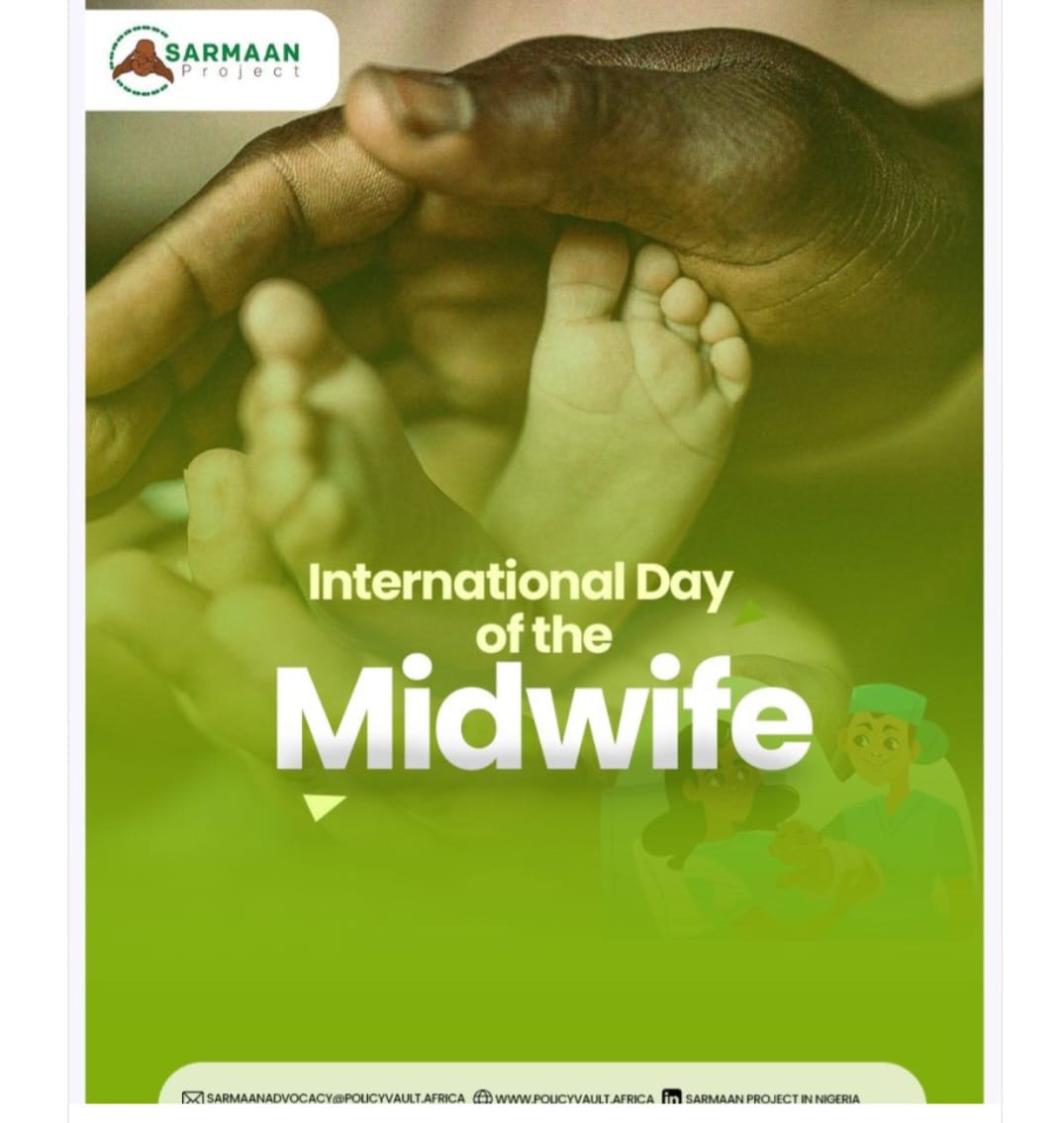
Every safe birth offers a child a chance at life, but what happens after delivery ultimately determines how that story unfolds.
As the world marks International Day of the Midwife, attention is once again drawn to the critical role midwives play—not only at the point of delivery but across the full continuum of maternal and newborn care.
From antenatal support to safe childbirth and the fragile early days of a newborn’s life, midwives remain among the most trusted and consistent figures within the healthcare system. Their presence often makes the difference between life and death, particularly in underserved and high-risk communities.
However, experts stress that survival does not end at birth.
The period between infancy and a child’s fifth birthday remains one of the most vulnerable stages of life, especially in regions where access to timely and quality healthcare is limited. It is within this gap that integrated, community-driven interventions are proving essential.
One such initiative is the SARMAAN project, a programme designed to complement existing health interventions such as immunisation and nutrition. The project extends the life-saving work initiated by midwives by targeting preventable childhood illnesses that occur long after delivery.
Through measures such as the mass administration of azithromycin in high-mortality communities, SARMAAN helps reduce deaths linked to infections—one of the leading threats to child survival in low-resource settings.
Health stakeholders note that the approach strengthens the broader healthcare pathway, ensuring that the efforts invested in safe delivery are not lost to preventable causes in the years that follow. In essence, it bridges the gap between childbirth and sustained child survival.
The impact is significant. It translates to more children not only being born safely but also growing, thriving, and reaching their fifth birthday—an outcome widely regarded as a key indicator of success in maternal and child health.
This year’s theme for the global midwifery celebration, “One Million More Midwives,” underscores the urgent need to expand the workforce while also equipping them with systems and programmes that extend their reach and effectiveness.
Stakeholders argue that combining skilled midwifery with sustained child survival interventions like SARMAAN brings the world closer to a reality where survival is no longer left to chance.
Key partners supporting such efforts include the Nigerian Institute of Medical Research, Gates Foundation, Solina Centre for International Development and Research, African Field Epidemiology Network, Sightsavers, eHealth Africa, Policy Vault, Big Cabal Media, and Zikoko, among others.
As the global community reflects on the contributions of midwives, there is a growing call for sustained investment in both human resources and integrated health solutions. The goal, stakeholders say, is clear: to ensure that every child not only has a safe start in life but also the opportunity to live, grow, and thrive.