

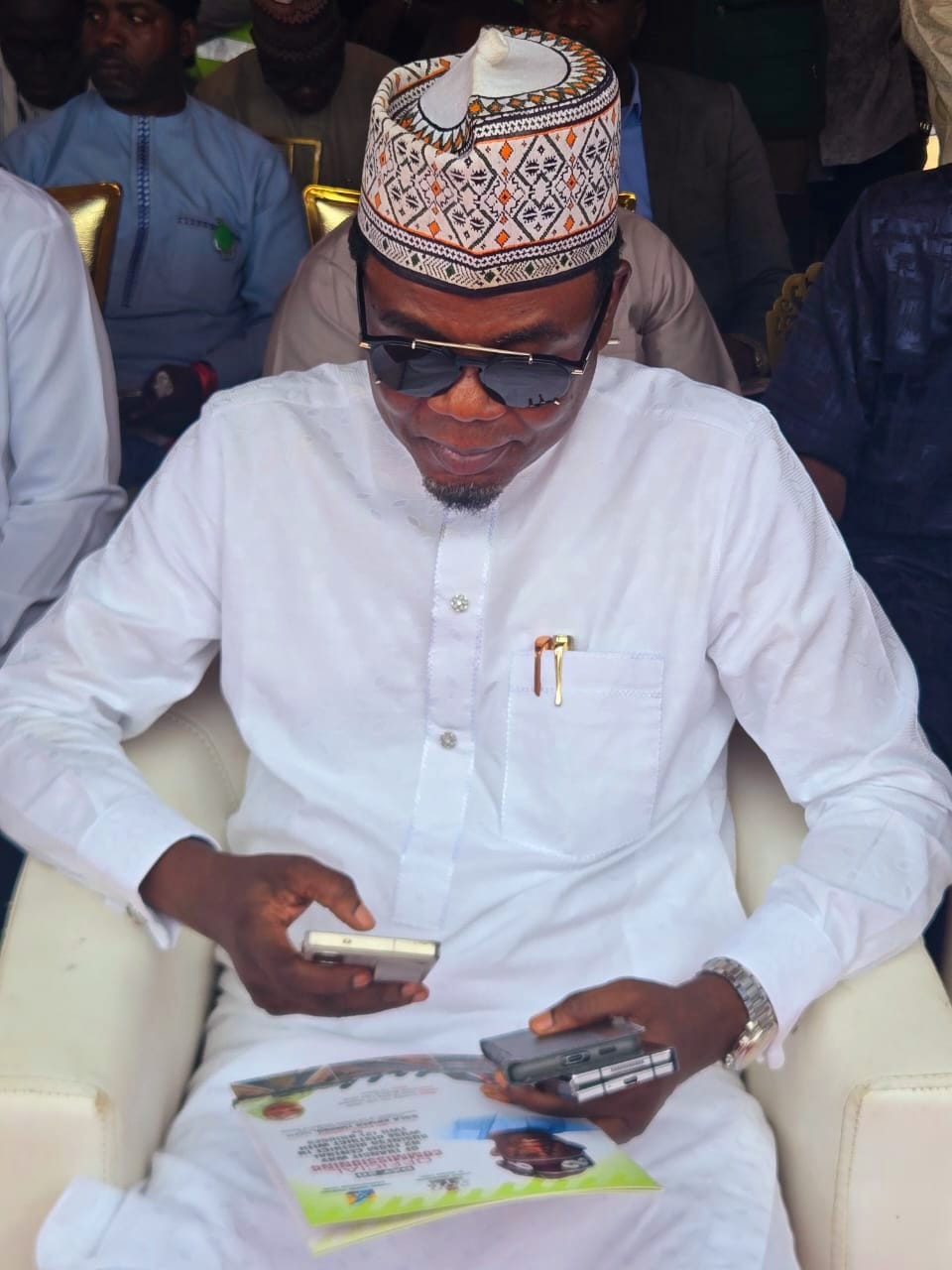
Tuesday 7th, July, Dr. Maurice Vunobolki joined Nigerians at the commissioning of the Transit Way N2, a new road corridor linking the Central Business District to Wuse District via two purpose-built bridges. He stood alongside the party leader, the Minister of the Federal Capital Territory, Honourable Barrister Ezenwo Nyesom Wike CON, at what was both an engineering milestone and a moment worth reflecting on.
The Transit Way N2 forms part of the original Abuja Master Plan, a continuous transit corridor conceived to run through the city’s districts on both its northern and southern flanks, with provision built in for future rail transit alongside vehicular traffic. What began as a modest, citizen-led initiative near the T. Y. Danjuma Foundation axis has now been extended into a fully realised corridor, a reminder that infrastructure, properly executed, closes the gap between a city’s plan and its lived reality.
The timing carries its own weight. The commissioning falls within a season marking three years of President Tinubu’s administration and fifty years since the Federal Capital Territory’s creation, an occasion that invites comparison between what was envisioned for Abuja at its founding and what has since been built. Judged against that history, a project of this kind speaks less to any single administration’s ambition and more to the slow, cumulative work of governance, the kind measured in bridges completed and journeys shortened rather than in speeches given.
For Dr Maurice, the occasion was one of quiet significance rather than spectacle, an opportunity to witness, alongside colleagues in the party, a tangible instance of the connection between political leadership and civic outcome. It is in such moments, he reflects, that the abstractions of governance find their clearest expression.