

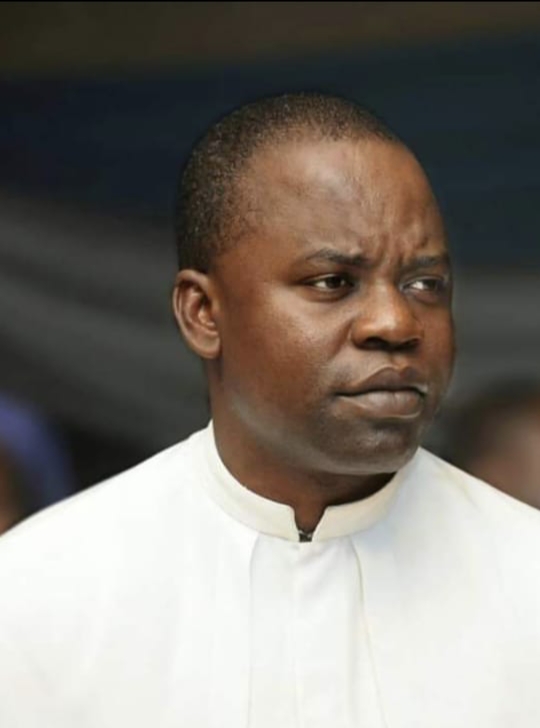
By Rev. Fr. Maurice Kwairanga
Nigeria’s diversity is one of its greatest assets — yet also one of its most delicate responsibilities. In a multi‑religious and multi‑ethnic nation, identity can serve as a bridge to shared cultural richness or as a spark that ignites destructive division. The difference lies in leadership, justice, and the collective commitment to social cohesion.
When Leaders Light the Fires of Hatred
History is unambiguous: societies fracture when political actors or social agitators weaponize identity. They tap into existing fears, historical wounds, and economic frustrations, turning communities against one another. Once unleashed, identity‑based hatred rarely remains under the control of those who ignite it. It spreads faster than reason, consumes institutions, and destabilizes nations.
From the Balkans to Rwanda, from Sri Lanka to parts of the Middle East, the world has witnessed how plural societies collapse when hate becomes a political tool. These tragedies underscore a universal truth — the architecture of peace is fragile, but the machinery of hatred is frighteningly efficient.
Nigeria’s Pluralism: A Beautiful but Fragile Tapestry
Nigeria is one of the world’s most complex multi‑identitarian states. With over 250 ethnic groups and multiple major religions, its social fabric requires constant maintenance. The country’s history — from the civil war to recurring ethno‑religious conflicts — shows how quickly tensions can escalate when grievances are ignored or manipulated.
Today, inflammatory rhetoric, misinformation, and politicized identity narratives threaten to erode decades of nation‑building. The stakes are high: Nigeria’s stability influences West Africa’s security, regional economic growth, and continental cooperation.
Lessons from History Nigeria Cannot Ignore
– Historical fractures — Nations that failed to manage diversity often descended into cycles of violence that lasted generations.
– Weaponized identity — Hate speech and exclusionary politics create enemies where none existed.
– Institutional failure — When justice systems and governance structures lose credibility, communities retreat into ethnic or religious fortresses.
– Economic inequality — Poverty and unemployment amplify identity tensions, making societies more vulnerable to manipulation.
These lessons are not abstract warnings; they are mirrors reflecting what Nigeria must avoid.
Why Peacebuilding and Social Cohesion Must Intensify Today
Nigeria stands at a crossroads. The pressures of demographic growth, economic strain, political competition, and digital misinformation mean that identity tensions can escalate rapidly if not proactively addressed.
Strengthening peacebuilding now is not optional — it is existential.
– Community dialogue can rebuild trust across divides.
– Inclusive governance ensures all groups feel represented and protected.
– Early warning systems help detect and defuse tensions before they explode.
– Civic education empowers citizens to resist divisive narratives.
– Responsible leadership is essential to prevent the politicization of identity.
Nigeria’s future depends on its ability to transform diversity into strength rather than division.
A Call to Action
The fires of hatred burn quickly, but the work of peace is slow, deliberate, and deeply human. Nigeria must choose the path of cohesion — not because it is easy, but because it is necessary for national survival and prosperity.
The world has seen what happens when plural societies fail to protect their fragile tapestry. Nigeria must not become another cautionary tale. It must be a model of how diversity, when nurtured, becomes a foundation for resilience, innovation, and unity.